

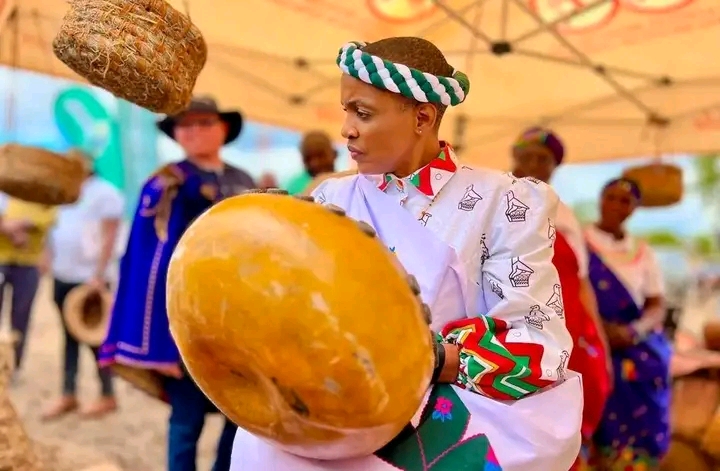
Tsonga and Shangaan Communities Celebrate a Rich Shared Heritage Across Southern Africa
The Tsonga and Shangaan people share a long and interconnected history that stretches across southern Africa, particularly in South Africa, Mozambique and Zimbabwe. Their cultural traditions, language and historical ties have connected communities across borders for generations.
In South Africa, Tsonga communities are predominantly found in Limpopo, especially in areas such as Giyani, Malamulele and surrounding villages. Large Tsonga-speaking communities also live in parts of Mpumalanga and Gauteng. In Mozambique, many communities identify as Shangaan, while in Zimbabwe, Tsonga-speaking communities are found in areas such as Chiredzi, where they have preserved their language and cultural traditions.
The rise of the Gaza Kingdom under Soshangane during the 19th century influenced many communities in the region, contributing to the historical links between Tsonga and Shangaan people. Despite these shared roots, families on both sides of the border have continued to preserve their own identities, customs and histories.
Traditional music, dance, storytelling, ceremonies and the Xitsonga language remain central to preserving this heritage, with cultural celebrations continuing to strengthen community ties across southern Africa.
While the Tsonga and Shangaan peoples share many historical, linguistic and cultural connections, they are not the same. “Tsonga” is a distinct ethnic and linguistic identity, and many Tsonga people identify simply as Tsonga—not “Tsonga Shangaan.” Likewise, many people in Mozambique identify specifically as Shangaan. Although the two groups have closely connected histories and share many traditions, they remain distinct identities with their own historical experiences.


Leave a Reply